


Stump Grinding in Los Osos, CA
Los Osos — this is the coast these pages are about.
Quick answer: Stump Grinding in Los Osos, CA — A stump is the part of the problem that is still in the ground: it holds the roots that lift pavement, keeps a species alive if it re-sprouts, and occupies the spot where the next planting goes. Grinding removes it below the surface so the ground can be worked again, and the roots that matter are the ones under the driveway rather than the ones beside the trunk.
- Typical timing: Any month the ground is workable; rain-softened soil grinds fastest and leaves the cleanest spoil.
- What it involves: Assessing re-sprout risk by species, grinding below grade, raking the spoil back, and handling surface roots separately from the stump.
- The standard: ISA guidance on root cutting and the ANSI A300 pruning standard where roots and crown are worked together.
- Where we work: Cambria, San Simeon, Harmony, Cayucos, Morro Bay, Los Osos and the Cambria pine belt.
- Our own record: 503 pages and 291 stories published on this site. Counted from our own archive, not a stock table.
Field note. On this coast the stump is rarely the end of the job: Monterey pine and eucalyptus both keep enough energy in the roots to push new growth, so we are looking at the species before we quote the grind rather than after.
On the other hand, a stump left in a garden bed is sometimes the better answer — it decays, feeds the soil and costs nothing — so grinding is a choice, not a rule.
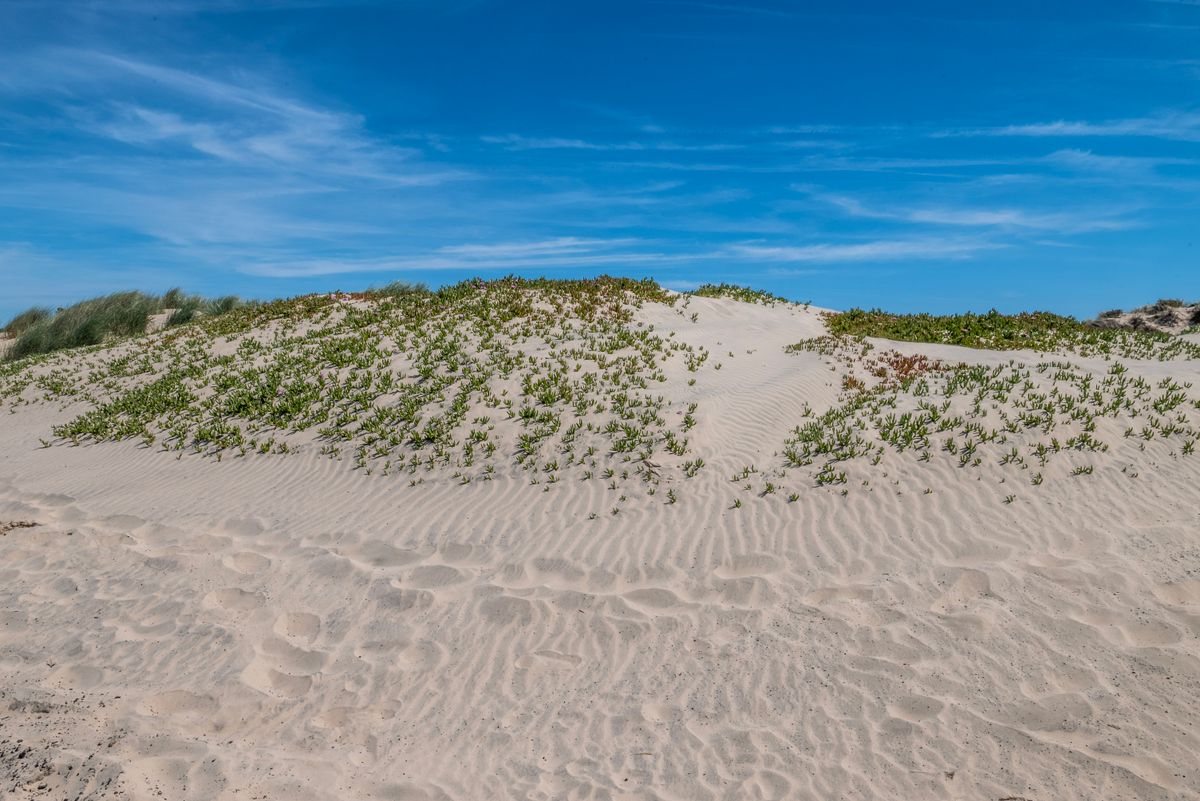
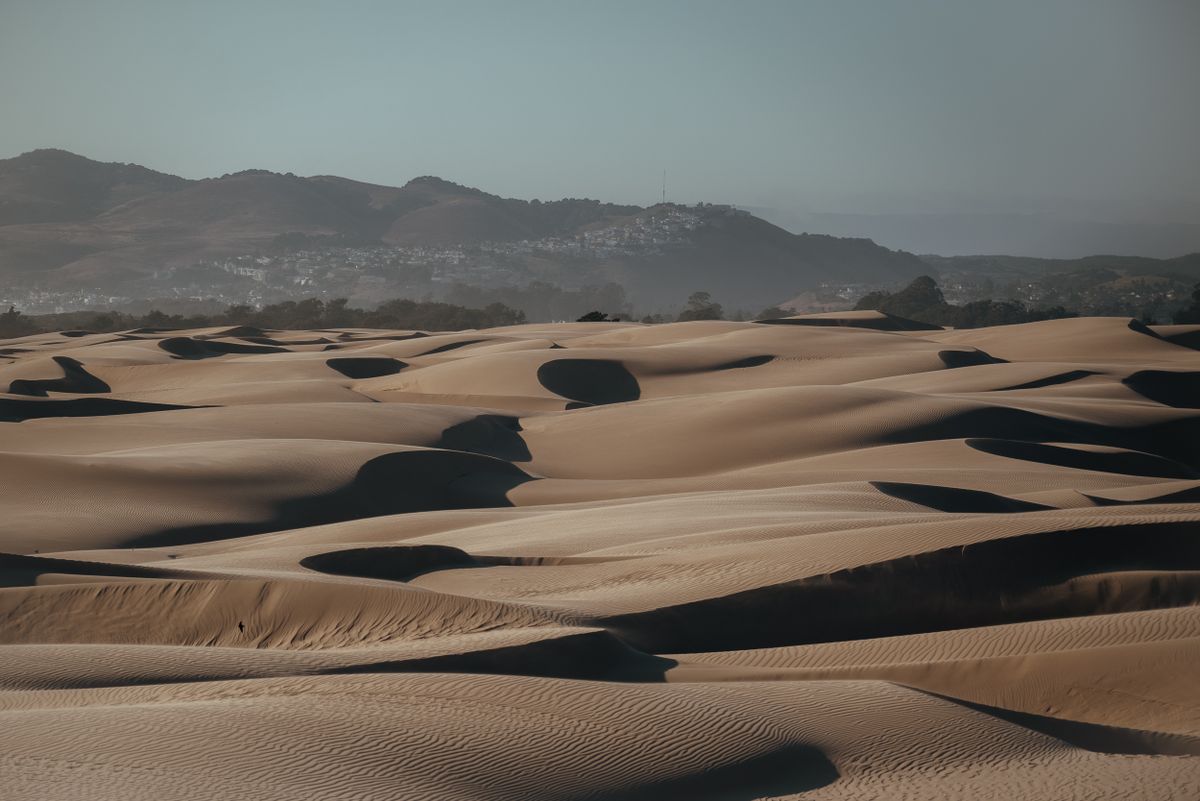
A stump in Los Osos behaves differently than a stump on heavier ground, and the sand is the reason. Grinding through a pine stump set in old dune sand is quick work — there are no rocks to speak of, and the grinder can chase the root crown down as far as the head will reach.
What the sand changes is everything around the stump: a hole in loose sand wants to slump, and a machine that works well on a lawn can trench itself into a beach. That is why the first pass on most Los Osos jobs is about where the machine stands, not what it grinds.
How deep, and why it matters
Standard practice is to grind six to twelve inches below grade and clear the root crown, so a lawnmower, a footing or a new planting has clean soil to work with. On the sandy lots here we often go deeper simply because we can, and because a pine stump ground at grade will still send up nothing but a rotting shelf that settles for years.
Eucalyptus is the exception in the other direction: it re-sprouts from any live wood left near the surface, so eucalyptus stumps get ground wide and deep or treated, or you will be cutting the same tree again as a bush every spring.
The grindings — chips, sand and root fiber — are the other decision. They make fine fill for the hole, mounded and left to settle, or they can be hauled off and replaced with clean soil if you are planting into the spot. If the stump sits where a hedge, a path or a shed is going, say so before we start and we will leave the grade flat rather than mounded.
Stumps that are holding something up
Not every stump on this coast should come out. On the slope streets above the bay, and along the sandy edges that run down toward the creek, roots do quiet work holding soil that would otherwise move with the first rain. A stump left in place on a bank can be the cheapest erosion control you own, and grinding it out can start a problem that costs more than the stump ever did.
If your stump is on a slope, near a bank, or above a neighbor's yard, ask before booking the grinder; the honest answer is sometimes to leave it and plant around it. Where the bank really does need help after a removal, that is a different job: our erosion control work is built for exactly that situation.
Before the grinder arrives
Stump work is quick, and most of what goes wrong is decided before the machine shows up. We ask where the irrigation runs, where the septic system and its drainfield sit — a question worth taking seriously on this side of town — and whether any buried line crosses the stump's root zone. In sand country the utilities are often shallow, and a call to 811 before the visit is cheap insurance; the visit gets built around that mark-out.
The other preparation is access: a grinder needs a path about as wide as a wheelbarrow plus elbows, and a gate that opens all the way. If the only route in crosses a planting bed or a fence line we would rather hear about it first and plan the approach than discover it with a machine in the driveway.
Replanting the spot
Once the stump is out, the site is a fresh start — and sand has opinions about what grows in it. Pines and cypress of the species already thriving on your street are the safe bets, planted in fall so winter rain does the watering; a coast live oak wants a spot where its roots can run and a lifetime of dry summers. What does not work is dropping a thirsty plant into raw sand against a hot south wall.
Fill the hole with the grindings if it is a non-planting spot; if something is going in, replace them with soil and a starter amendment, and let the ground settle a season first.
One visit is usually all it takes. We mark the irrigation and utilities we can see, grind, rake the hole roughly level or mound it as agreed, and leave the site walkable the same day.
Questions, quotes, or just exploring — we’re here to help.