

Erosion Control in Morro Bay, CA
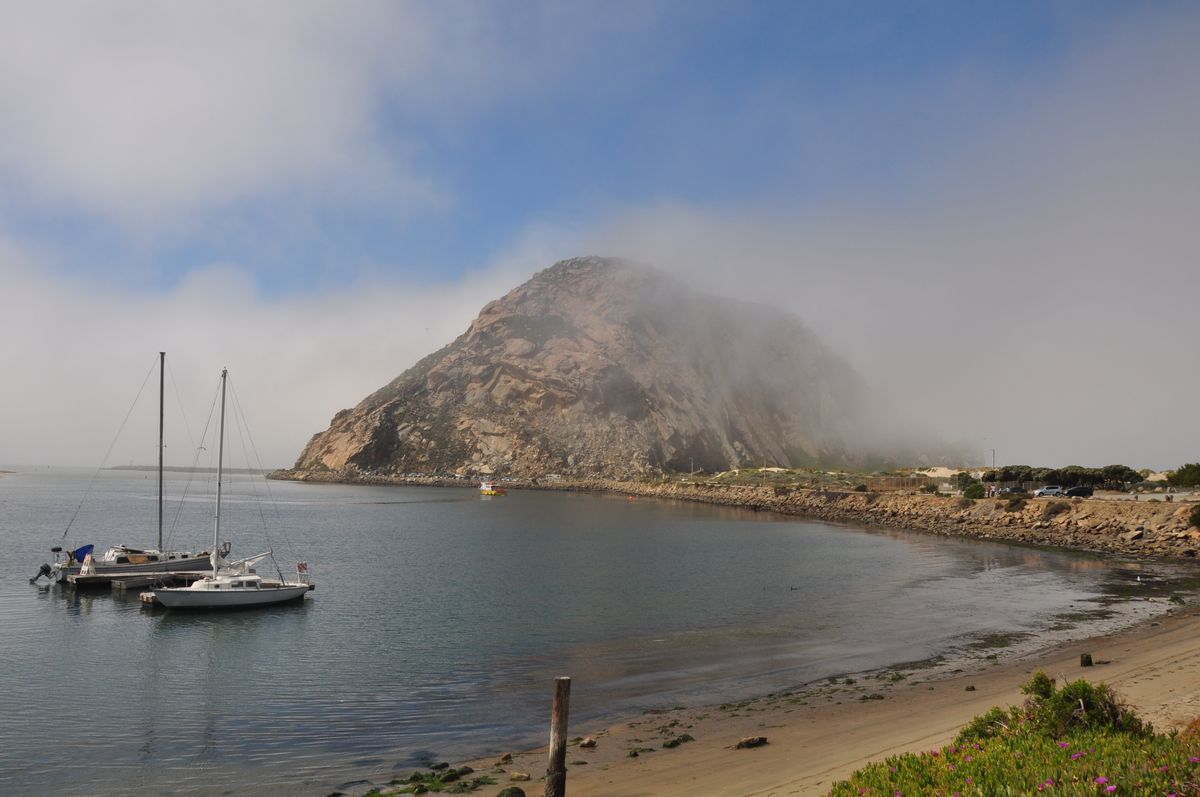
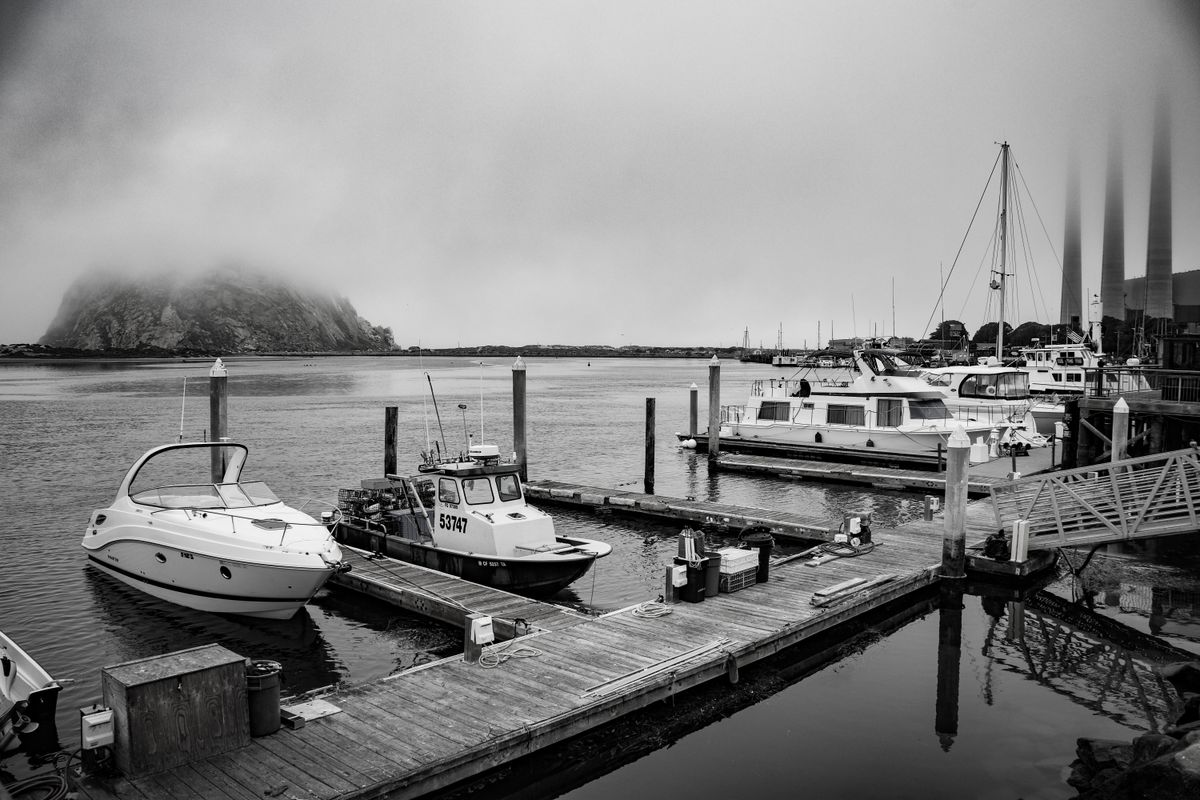
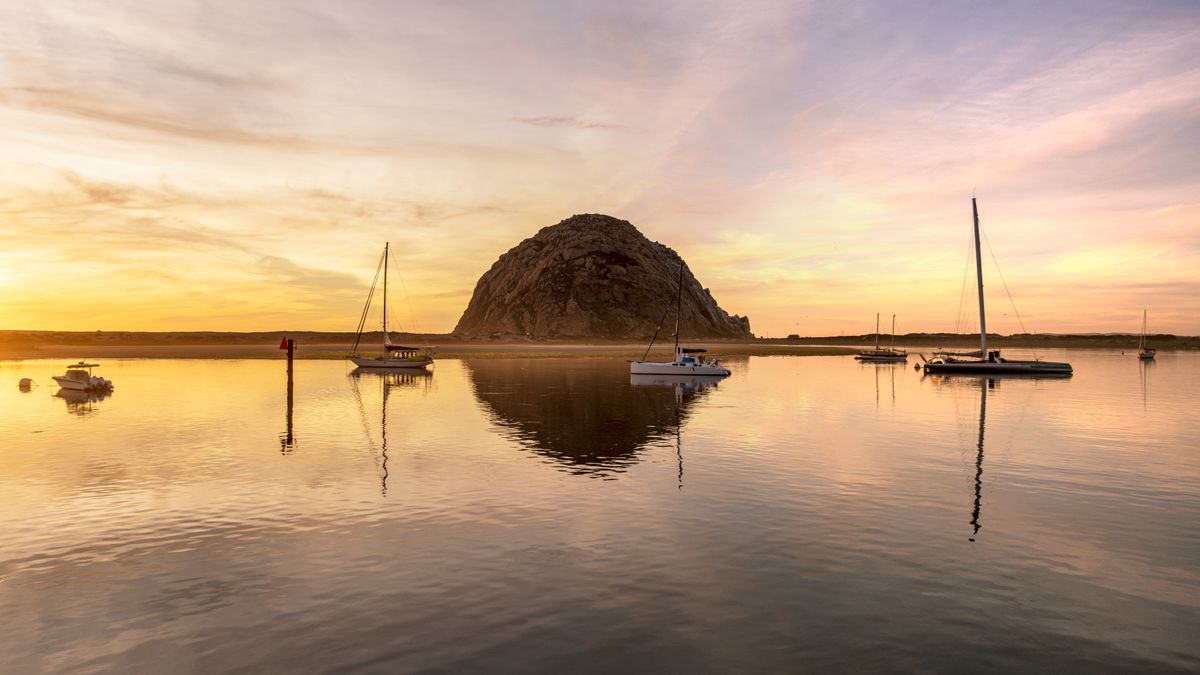
Morro Bay — this is the coast these pages are about.
Quick answer: Erosion Control in Morro Bay, CA — Trees are watered at the root zone, deeply and infrequently — a long soak that reaches down, then a dry spell that lets roots look for water, rather than a daily sprinkle that keeps everything in the top inch of soil. On the fog belt the question is rarely whether there is moisture in the air but how much got down to the roots.
- Typical timing: Deep watering through the dry season, spaced further apart as the tree establishes; young trees need it far more often than mature ones.
- What it involves: Watering at the drip line rather than the trunk, checking the soil six to eight inches down, and mulching so the water stays where it landed.
- The standard: University extension guidance on landscape tree irrigation and drought response.
- Where we work: The coastal terrace from Cambria to Morro Bay, sandy soil and clay both.
- Our own record: 503 pages and 291 stories published on this site. Counted from our own archive, not a stock table.
Field note. What we see here is that salt air and wind dry a canopy faster than the thermometer suggests, so a tree can be water-stressed on a grey week when nothing looks hot to the person holding the hose.
On the other hand, more water is not a cure-all: on clay, a daily soak drowns roots more often than drought does, and the symptoms look almost identical from above.
Everything that leaves a Morro Bay hillside goes somewhere, and the somewhere is usually the harbour. That is not a metaphor: a gully cut into a slope above town carries silt down a storm drain and into the estuary, which is one of the most protected pieces of water on this coast and is monitored accordingly.
Which means erosion control here is not only about keeping your own slope in place — it is about where the material ends up, and that changes what the right answer looks like.
Read the water first
Most slope failures we see start with water that was never designed to go where it goes. Roof downspouts discharging at the top of a cut bank, a driveway draining onto a planting bed, a neighbour's grading that concentrates flow across a shared property line, a path worn into the slope that has become a channel.
Before anything is planted or armoured, those sources get addressed: the flow is intercepted, aimed along a gradient and dispersed, or piped to a point where it can be released without cutting into the surface. A slope with the water managed will hold with vegetation alone in most cases; a slope with water arriving on it will fail whatever is planted on it.
Roots are the structure
This is the reason tree work and erosion work are one conversation on the coast. The living root mass on a coastal slope is a reinforcement system that cannot be bought at a supplier: fibrous roots near the surface hold the soil, and deeper roots anchor through it. Take a mature pine or cypress off a slope and you have removed both, and the cut bank left behind is immediately in a different category of risk.
So on any removal near a drop, the plan includes what replaces the roots — replanting with species that root aggressively and stay green, retaining the stumps or the lower structure where they are doing useful work, and not scraping the slope while doing the clearing. It is also why we push back on the tidy version of a removal: the cleared, graded, neat slope in the photograph is often the first chapter of a slippage.
What we use, and what we avoid
Native and naturalised cover, planted densely enough to close over within a season or two; mulch and erosion blankets where a slope has to be protected while plants establish; rooted cuttings and brush layering on the steeper faces, which is cheap and effective and looks like a bank rather than a construction site. Where a slope genuinely needs structural help — a wall, a rock toe, drainage — that is an engineer's design and we say so.
What we avoid is the shortcut that trades a local failure for a downstream one: bare earth with no cover, rip-rap dumped over a failing bank, or a channel that simply moves the problem to the next property down.
After the removal
If a tree has just come off a slope, the useful sequence is: stabilise what is exposed, get cover onto the bare ground before the first rain of the season, and plan the replacement planting for the dormant season when it has the best chance. Left bare through a wet winter, the same ground will need more than planting — and the material it loses ends up in the harbour, in a place nobody wanted it.
Field note — Samuel Delacroix reads a slope as a record of weather: where the water went last winter is where it will try to go again, and the tree that held that corner was doing a job worth replacing.
If your removal is next to a bank or a creek bank, ask us to look at the ground at the same time as the tree. It is the cheapest hour on the job.
Questions, quotes, or just exploring — we’re here to help.