

Tree Inspection Services in Morro Bay, CA
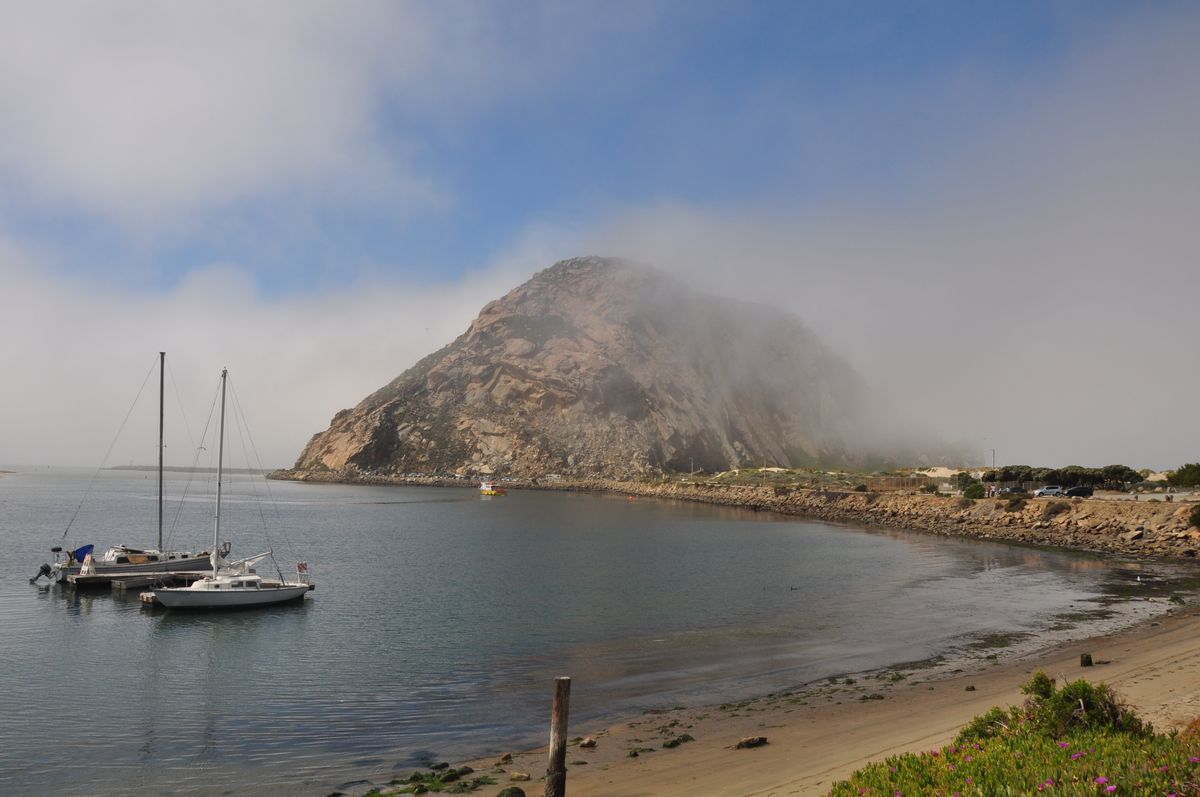
Morro Bay — this is the coast these pages are about.
Quick answer: Tree Inspection in Morro Bay, CA — Trees on this coast live with fog, salt, wind and thin soil, and the work that keeps them healthy is decided by those conditions rather than by a calendar written inland. Structure, clearance and the root zone are what a tree here needs looked at, and small work done early is what keeps a tree out of the emergency list.
- What it involves: Structural pruning, clearance from structures and wires, deadwood removal, root-zone care and hazard assessment.
- Typical timing: Structural work in the dormant months; deadwood, clearance and hazard work whenever the tree needs it.
- The standard: The ISA standards for pruning and tree risk assessment, applied by ISA-certified arborists.
- Where we work: Cambria, San Simeon, Harmony, Cayucos, Morro Bay, Los Osos and the Cambria pine belt.
- Our own record: 503 pages and 291 stories published on this site. Counted from our own archive, not a stock table.
Field note. What we see on this coast is that the trees people worry about are usually not the ones in trouble: the pine with a clean crown and a lean that predates the house is often sounder than the tidy tree that has been quietly drowning in its own root zone.
On the other hand, there is no schedule that suits every tree — the same species on two sides of one street can need opposite care, which is why we look before we recommend.
The first job in Morro Bay is telling two kinds of brown apart. Salt burn from a run of onshore wind looks, from a porch, like the dieback of a tree in real trouble: browned foliage on the exposed side, thin tips, a muted colour overall. And it is nothing much — the tree sheds that foliage and pushes again.
What matters is the tree that is browning from the inside out, or one where a full outer shell is concealing a stand of dead branches in the middle of the crown. That pattern points at the roots or the vascular system, and it usually means the answer is not this season's pruning.
What we check, in order
The base. Root flare visible and sound, no fresh soil cracking, no ring of lifting on the downhill or upslope side, no sign that a grade change or a sewer cut has taken a slice out of the root plate.
On a graded lot here, this is where the useful surprises live. The stem. Old pruning wounds (this town has decades of badly placed cuts), cavities, conks, resin, and any lean that hinges from a single point rather than curving from growth. The attachment points. Codominant stems with included bark — a real weakness in cypress and eucalyptus, and the one that fails in a gust without warning. The crown. Density, transparency, the pattern of dead wood, and whether the last three years of extension growth look like a tree spending energy or a tree conserving it.
Salt, beetle, drought, disease: the four stories
Each has a different signature. Salt burn is on the outside and recovers. Bark beetle attack shows up as a thinning, faded crown with boring dust and pitch tubes low on the trunk, and it usually means the tree has been losing its ability to defend itself for a while.
Drought stress shows as a rise in dieback across the whole canopy and a flat growth record, and the useful thing about it is how treatable the soil is — a wide mulch ring and watering in the right months is a real intervention here, unlike anywhere inland. And an old wound with a fungal fruit body on it is its own verdict, because decay that has reached the outside is not a matter of opinion.
Not every tree needs the instrument. A mallet, a close look at the flare and a careful read of the crown is usually enough to answer the question the owner actually has. Where a decision turns on the inside of the wood — keep or remove, or what a report will have to say — we bore or scan and write down which question the tool answered, so the next arborist knows what was measured and what was judged.
What you get, and what you should not expect
What you get is a plain-language verdict: what is wrong if anything, what it means for the tree over the next few years, and what the options and their costs are. What you should not expect is a warranty. An inspection describes the tree on the day it is walked; no honest arborist will certify a living tree through a wet January and a southerly.
The one habit worth adopting from us: walk your own trees once a year in the same week, from the same angles, and photograph them. A lean, a crack or a thinning crown is invisible in a single look and obvious by comparison — and the picture you took last spring is the cheapest diagnostic tool on the property.
Field note — Dr. Liam Zimmerman names the organism, the vector and the caveat, and separates what has been measured from what is merely repeated: pest and pathology work is mostly a matter of reading the right evidence first.
Questions, quotes, or just exploring — we’re here to help.