


Tree Removal in Morro Bay, CA
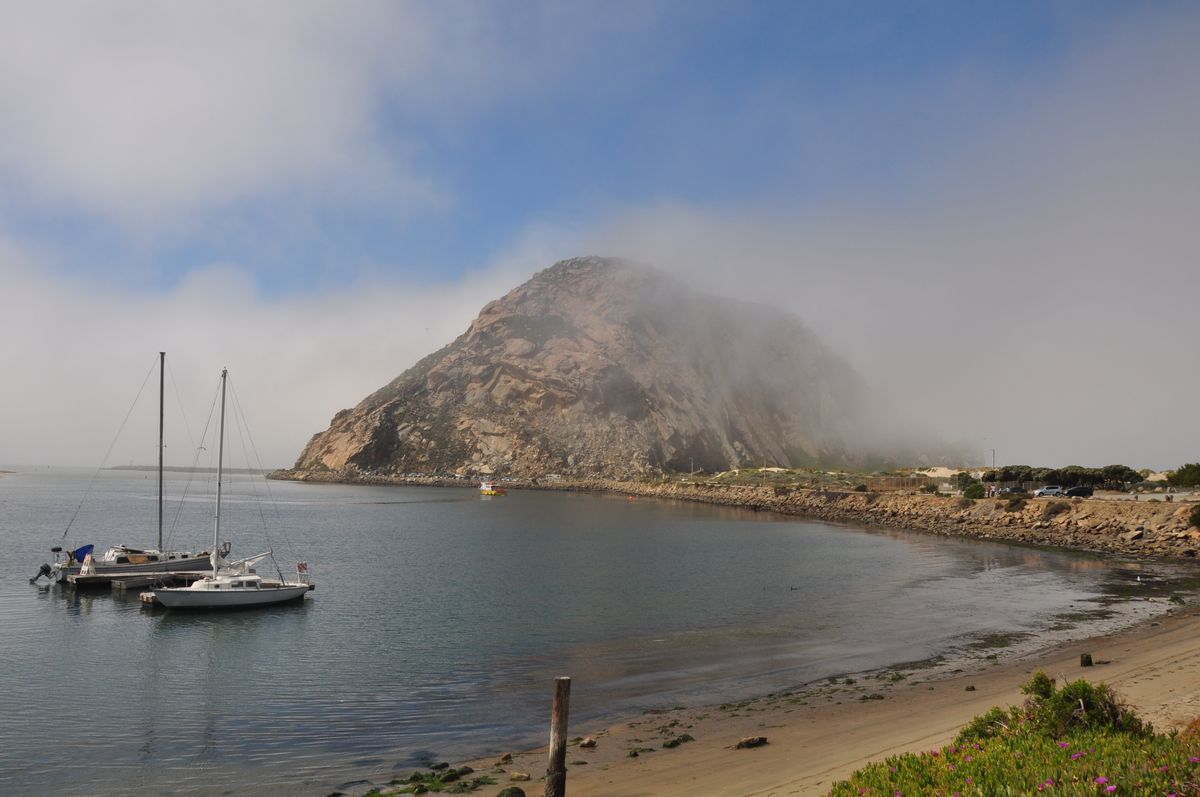
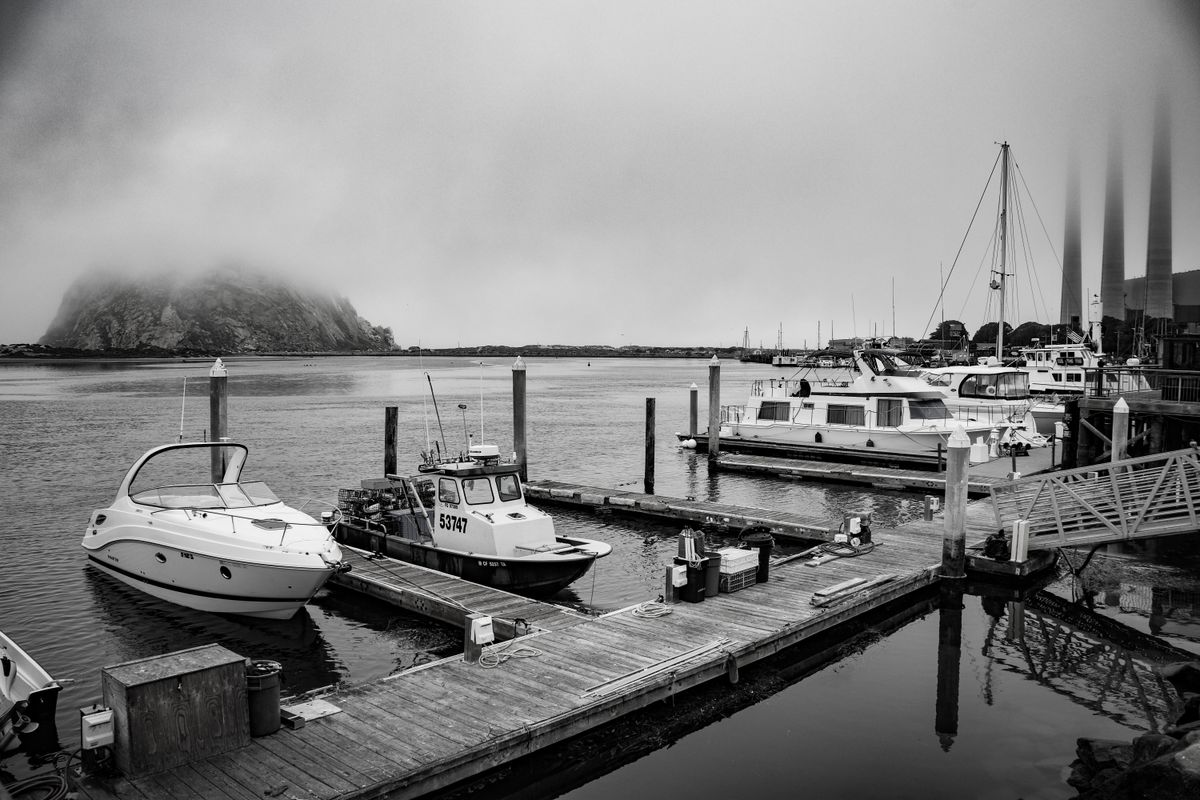
Morro Bay — this is the coast these pages are about.
Quick answer: Tree Removal in Morro Bay, CA — Removing a tree is planning before it is cutting: where the wood lands, what is under it, whether a rope or a crane takes the weight, and what is left when the crew drives away. A removal is finished when the drop zone is clear and the stump is dealt with, not when the trunk hits the ground.
- Typical timing: When the tree is a hazard, the schedule is immediate — storm damage, split leaders and leaners do not wait for good weather.
- What it involves: A written plan for the drop zone, rigging or crane work over structures, protecting driveways and roofs, and deciding the stump’s fate in advance.
- The standard: The ANSI Z133 safety standard for arboricultural operations, and ISA best practice for removals near structures.
- Where we work: Small town lots, coastal acreage and the narrow properties of the Cambria pine belt.
- Our own record: 503 pages and 291 stories published on this site. Counted from our own archive, not a stock table.
Field note. What we see here is that access decides the price more than height does: a pine over a fence on a slope with no driveway costs more to take down safely than a taller tree with a clear drop, and the plan is where that shows up.
On the other hand, removal is not the only safe answer — a tree with one failing limb, or a lean that can be corrected by reduction, is often better kept and managed than gone.
Morro Bay asks a tree removal crew two completely different questions depending on which side of the boulevard you are on. On the hill, the problem is exposure: a cypress on a graded lot above a neighbour's roof, grown up in wind, holding a load the site plan never accounted for.
On the flat — the blocks behind the Embarcadero, the streets that run down toward the water — the problem is the ground itself: sand and fill that keeps a root plate honest only while it is dry, and a water table that rises every winter. The rigging plan for those two trees has almost nothing in common.
The hill, and the load getting away
Up on the graded streets, a tree that came down is usually a tree that was leaned. Monterey cypress here grow into the wind and keep the shape it gives them: a flag of foliage to the lee, a bare, resinous flank to the weather, and a trunk that has thickened asymmetrically at the base for forty years. That asymmetry is the map of the load.
We read it before anything starts — where the weight is, which way the hinge wants to go, and what the pieces can reach. On a hill lot the answer is almost always rigging: a controlled lowering into a landing zone we chose first, with the ground crew on a rope that is doing actual work rather than standing under a moving log holding a phone.
The flat, and the ground that gives
Down by the water the failure mode is different and less visible. Sand and old fill drain fast in summer and hold water like a sponge in January, and a root plate that has been relying on friction for decades does not announce the change.
So the plan starts with the base: the flare, the ring of soil at the trunk, any lean that has moved since the last photograph, and the history of the lot — where the sewer went, where a foundation was poured, which patch was cut off the root zone ten years ago.
A tree on the flat that everyone has been reassured by for years can be one wet week from going over, and the honest version of that conversation is a removal quote and an explanation, not a shrug.
Permits, neighbours and the paperwork
Morro Bay is an incorporated city with its own tree rules and a coastal zone that adds a second layer of review, so the question "can this tree come down" is a real question with a real answer that depends on the tree, the lot and the reason. We walk the site before anyone commits, tell you what the city is likely to want, and work with that process rather than around it.
If the tree is shared with a neighbour — which on these narrow blocks is common — the conversation belongs at the start; a survey and a polite agreement cost far less than a dispute after the fact.
When the tree is down
Removal ends with the site, not the stump. We cut and stack the wood where you want it, or haul it out; rake the sawdust off the path and the driveway; put the pavers back; and settle the stump as its own decision. On the hill, grinding below grade is usually straightforward.
On the flat, it is worth a look at what the root mass is doing to the drainage before it goes, because the same roots that lifted a path may be holding the corner of a slope. If the ground is going to need work afterward, our slope and drainage work comes out of the same conversation rather than a second contractor.
If a tree here is leaning over something you cannot move, the walk is free. We would rather tell you the tree is fine than sell you a removal you did not need — and the crews who tell you otherwise before looking are the ones to avoid.
Field note — Noah Lockhart measures a removal in loads, not in hours: what the rope holds, what the hinge does, and which single piece decides whether the rest is straightforward.
Questions, quotes, or just exploring — we’re here to help.