

Tree Risk Assessment in Cambria, CA
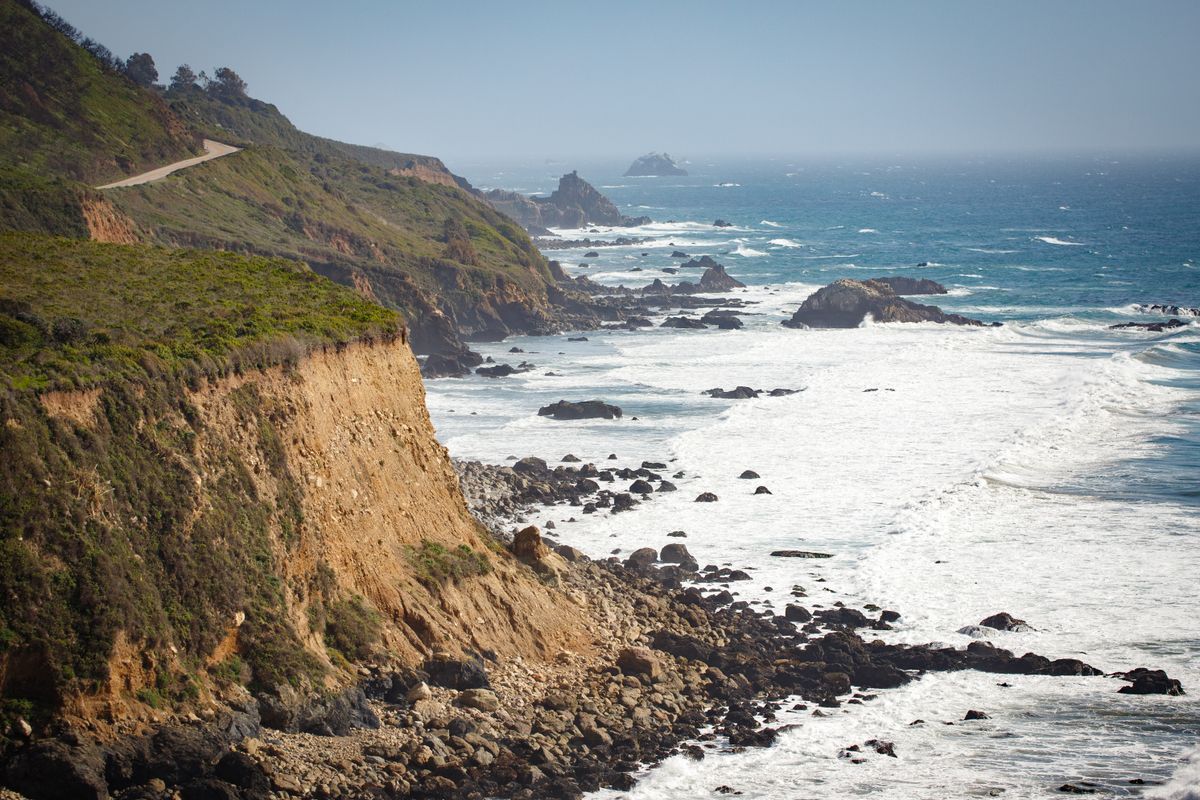
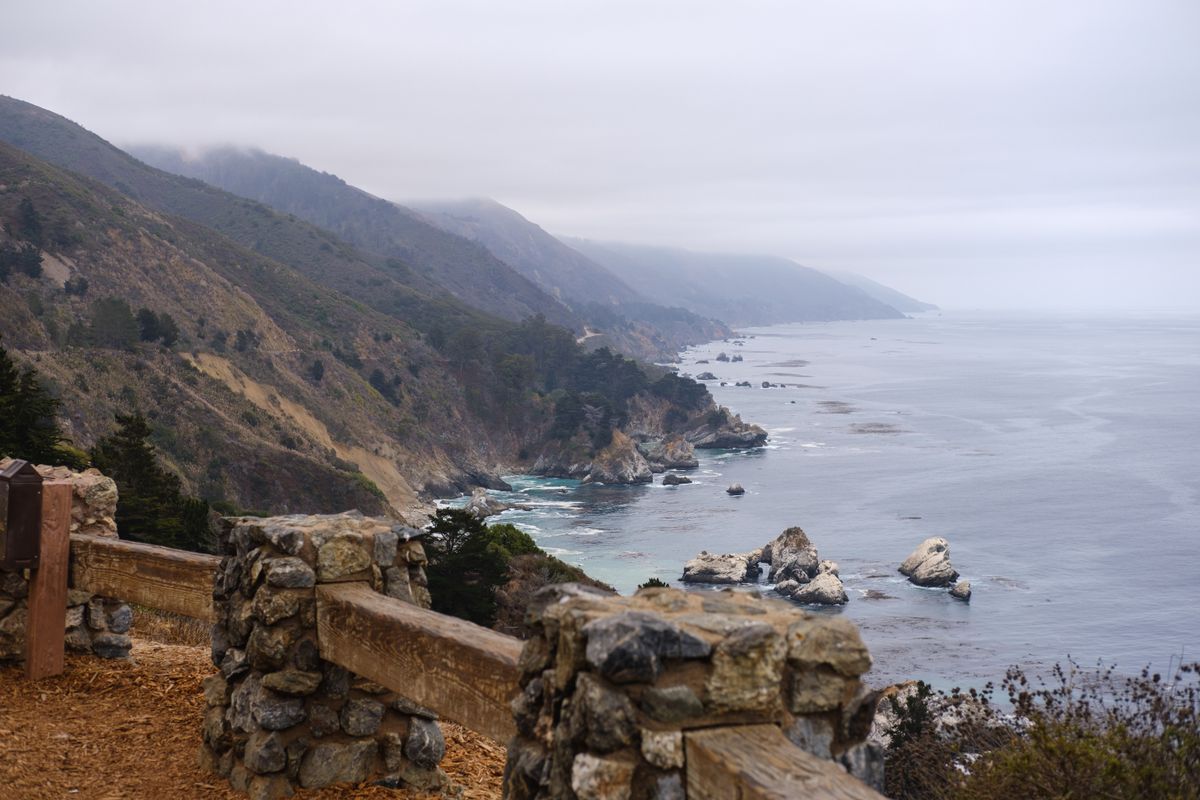
Cambria — this is the coast these pages are about.
Quick answer: Tree Risk Assessment in Cambria, CA — Trees on this coast live with fog, salt, wind and thin soil, and the work that keeps them healthy is decided by those conditions rather than by a calendar written inland. Structure, clearance and the root zone are what a tree here needs looked at, and small work done early is what keeps a tree out of the emergency list.
- What it involves: Structural pruning, clearance from structures and wires, deadwood removal, root-zone care and hazard assessment.
- Typical timing: Structural work in the dormant months; deadwood, clearance and hazard work whenever the tree needs it.
- The standard: The ISA standards for pruning and tree risk assessment, applied by ISA-certified arborists.
- Where we work: Cambria, San Simeon, Harmony, Cayucos, Morro Bay, Los Osos and the Cambria pine belt.
- Our own record: 503 pages and 291 stories published on this site. Counted from our own archive, not a stock table.
Field note. What we see on this coast is that the trees people worry about are usually not the ones in trouble: the pine with a clean crown and a lean that predates the house is often sounder than the tidy tree that has been quietly drowning in its own root zone.
On the other hand, there is no schedule that suits every tree — the same species on two sides of one street can need opposite care, which is why we look before we recommend.
Most Cambria tree questions are not really "is this tree healthy" — they are "will this tree hit something, and who decides that it won't." A risk assessment answers the second question. It is a structured judgement about a specific tree, on a specific lot, over a specific target, and its whole value is that it can be read, checked and argued with by someone who was not standing there.
What the assessment actually decides
Risk, in arboriculture, has three parts and all three have to be present for the word to mean anything. There is a target: the bedroom, the parked car, the walkway a tenant uses every morning, the power drop.
There is a likelihood of failure in a stated timeframe — not "it could fall," but "this stem has a wound and a lean, and over the next two winters I put the odds meaningfully above the ordinary tree beside it." And there is the consequence: what a failure costs in lives, in dollars, in access.
A tree over an empty canyon and a tree over a child's window can carry the same defect and be two different problems. Any assessment that skips straight from "defect" to "remove" has skipped the two parts that matter.
Reading a Monterey pine on this coast
Cambria's pines fail in recognizable ways. The one we see most often is not a snap at the base — it is the whole tree rotating on a shallow root plate after a wet winter, which is why the soil here, not the wood, is usually the deciding factor. We look at the ground before the canopy: lifting soil on the uphill side, a fresh arc of cracking in the duff, a lean that has changed since the last photograph.
In the crown we look for the pattern of pitch canker — flagged shoots, resin-soaked lesions, dead tips concentrated on the windward side — because a tree losing the top of its crown is also changing how the wind loads its stem. And we look at what earlier people did to the tree. A pine topped in the 1980s carries a decade of decay behind the new leaders, and that decay is invisible from the ground.
Not every tree needs the full instrument. A drive-by from the window is not an assessment; a walk-around with a mallet, an increment borer where the evidence asks for it and a careful look at the root flare usually is.
Air excavation or sonic tomography earns its cost only when a specific decision — keep, prune, remove, brace — turns on what is inside the stem, and it is our job to say when that is true and when the ordinary answer is enough.
The report, and who it is for
A written report is what makes the difference between an opinion and evidence.
Ours names the tree, its species and approximate age, the target, the defects found, the likelihood and consequence ratings, and one recommended action with a timeframe — "reduce the west lead within 12 months," not "monitor." That structure is what an insurance adjuster, a Community Services District file, a real-estate disclosure or a neighbor dispute can use, and it is deliberately written so that a second arborist could disagree with a specific line rather than with the whole document.
Two honest limits belong in the report and in this page. First, an assessment is a snapshot: it describes the tree as of the day it was walked, and no arborist can warranty a living thing through an earthquake or a 70-mile-an-hour southerly. Second, the most expensive answer is not always the safest one.
Removing a pine on a Cambria bluff changes what the wind does to the slope behind it and to the trees that were leaning on it; sometimes a reduction cut and a brace buy three decades for a fraction of the cost of a removal and a retaining wall. If the recommendation in your report is conservation, that is a result, not a delay.
Field note — Clara Young writes about risk as arithmetic: the target you are protecting, the years you are buying, and what the annual cost of each option looks like once you divide it out. The break-even is usually obvious once someone writes it down.
Questions, quotes, or just exploring — we’re here to help.