



Mulching in Cambria, CA
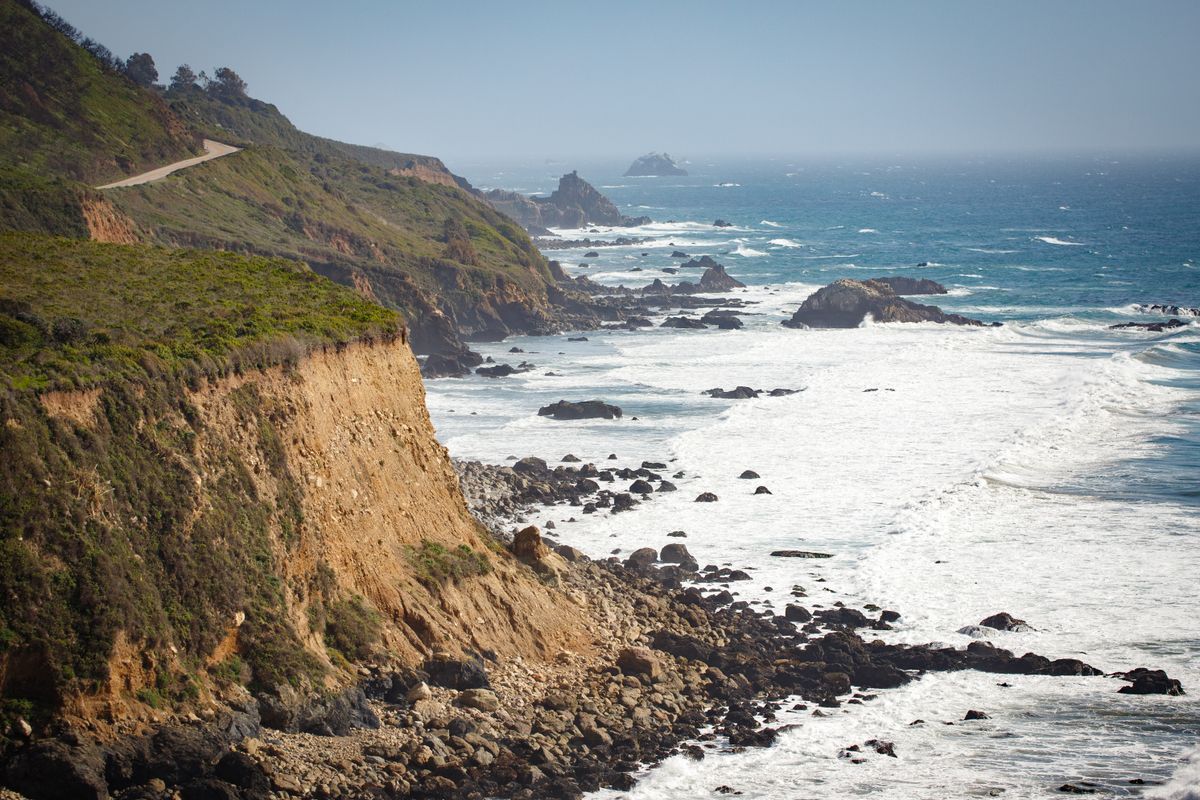
Cambria — this is the coast these pages are about.
Quick answer: Mulching in Cambria, CA — Mulch is the cheapest thing that happens to a tree: a flat layer over the root zone holds moisture through the dry season, keeps the soil temperature steady and feeds the soil life the tree depends on. Almost every mulch problem is a depth problem or a contact problem — too thick, or piled against the trunk where the bark has to stay dry.
- Typical depth: Two to four inches, flat, from the drip line inward — never a cone against the trunk.
- Typical timing: After planting or after a clean-up; refreshed in autumn so winter rain carries it down.
- What it involves: Keeping the root flare visible, keeping mulch off the bark, and choosing material that breaks down rather than mats.
- The standard: ISA and university extension guidance on arboricultural mulching and the root flare.
- Our own record: 503 pages and 291 stories published on this site. Counted from our own archive, not a stock table.
Field note. What we see most on this coast is not too little mulch but too much, in the wrong place: the volcano against the trunk that keeps the bark wet through the fog season and invites rot where the tree cannot show it until the canopy thins.
On the other hand, a thin ring of the wrong material is worse than none at all — matted, water-repellent mulch sheds the rain it was meant to store.
Mulching in Cambria
If you do only one thing for the trees in your Cambria yard this year, make it mulch. On sandy marine terrace soil, a coarse layer of chips does the work of a season of watering: it holds the fog-derived moisture the soil would otherwise shed, buffers root-zone temperature, suppresses the weeds that compete with young trees, and feeds the fungal life that coastal pines and oaks depend on.
What good mulch is
Coarse arborist chips — bark, branchwood and leaves chipped together — beat shredded bark and dyed mulch by a wide margin. The mix of particle sizes lets air and water move, unlike the mat of fine shreds that seals the surface. Our own crews generate clean chips from local pruning and removal work, and where the material is suitable, we deliver and install it.
Timing matters less than structure, but it is not nothing. On the coast, mulch is best applied in late winter or early spring, before the dry months do their work, and refreshed in fall after the leaves and needles drop. A ring that has broken down to a dusting is not mulch anymore; it is a crust.
Test it with a hand: if you cannot push two fingers into the layer without hitting hard soil, it is time to add material.
How much mulch, and where to get it
A useful mulch ring reaches as far as the dripline where the site allows it, and at least three feet beyond the trunk where it does not. Two to four inches is the working depth; deeper is not better, and mounded mulch against the trunk is worse than none at all. For a mature pine or oak, that usually means a ring measured in cubic yards of material, not bags.
Material is the other half of the question. Fresh arborist chips from local pruning and removal work are the best value on this coast: local, coarse, and free of the fine shreds that mat down into a water-shedding crust.
If you are ordering from a landscape yard, ask for double-ground bark or a native mulch blend and check that it has been aged; fresh chips high in green material can temporarily tie up nitrogen at the soil surface, which matters more for young plantings than established trees.
Where not to mulch is as important as where to. Keep a five-foot noncombustible ring around the foundation of every structure in pine country, keep chips out of gutters and off roofs, and never bury a sprinkler head or a utility box under the pile. Mulch is a tool, and like every tool it works best where someone has thought about placement first.
How we apply it
Mulch pairs naturally with pruning and removal work — the chips come from the same tree, at the same visit — and with the general mulching service page. For the local routine, start at the Cambria tree service page, or see how we work across the coast.
- Wide, not deep. A mulch ring reaches out to the dripline where practical; two to four inches deep is the working range. More than that and roots begin to grow up into the mulch instead of down into the soil.
- Off the trunk. Chips touch soil, never bark. A volcano of mulch against a trunk traps moisture and invites rot and rodents — the single most common mistake we see on the coast.
- Out of the fire path. Around a structure, the first five feet of ground get mineral soil or stone, not wood chips — an easy adjustment that matters when the pines are dry in October.
- Where it belongs. Steep slope plantings, tree rings, paths and garden beds each get a different grade of material.
Questions, quotes, or just exploring — we’re here to help.