


Tree Removal in Cambria, CA
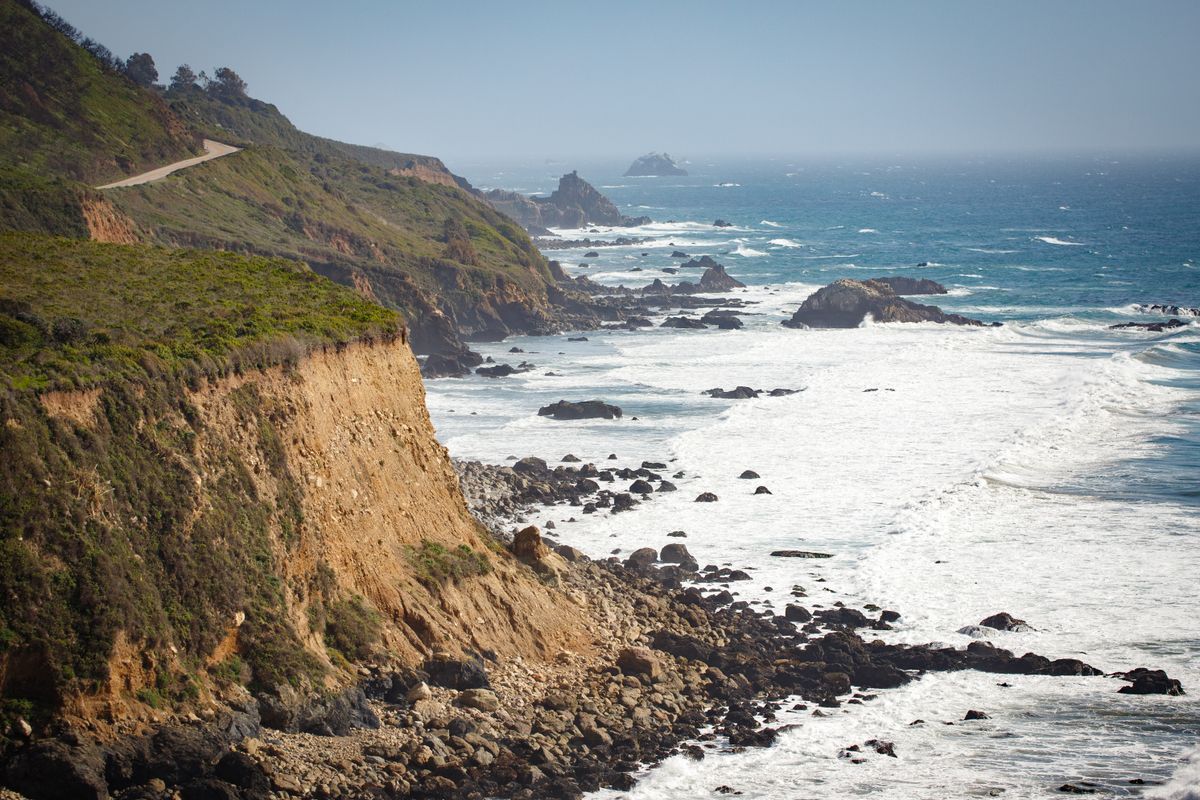
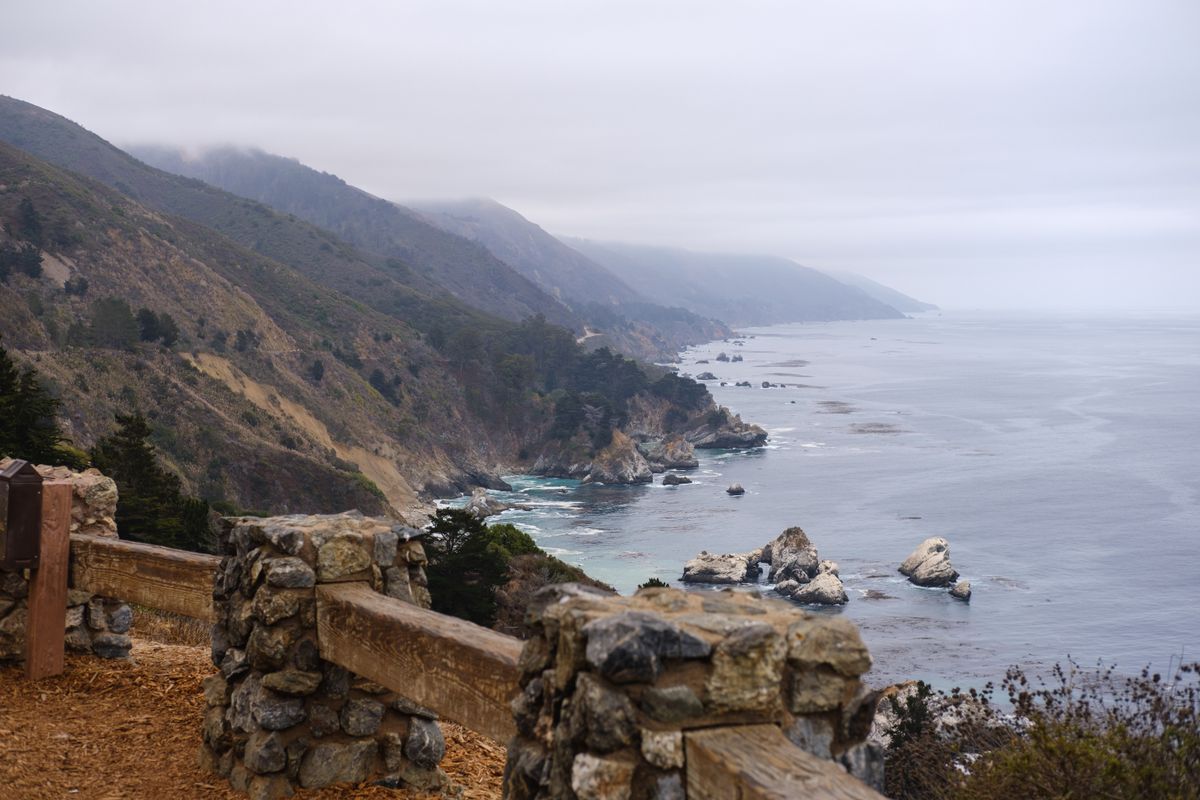
Cambria — this is the coast these pages are about.
Quick answer: Tree Removal in Cambria, CA — Removing a tree is planning before it is cutting: where the wood lands, what is under it, whether a rope or a crane takes the weight, and what is left when the crew drives away. A removal is finished when the drop zone is clear and the stump is dealt with, not when the trunk hits the ground.
- Typical timing: When the tree is a hazard, the schedule is immediate — storm damage, split leaders and leaners do not wait for good weather.
- What it involves: A written plan for the drop zone, rigging or crane work over structures, protecting driveways and roofs, and deciding the stump’s fate in advance.
- The standard: The ANSI Z133 safety standard for arboricultural operations, and ISA best practice for removals near structures.
- Where we work: Small town lots, coastal acreage and the narrow properties of the Cambria pine belt.
- Our own record: 503 pages and 291 stories published on this site. Counted from our own archive, not a stock table.
Field note. What we see here is that access decides the price more than height does: a pine over a fence on a slope with no driveway costs more to take down safely than a taller tree with a clear drop, and the plan is where that shows up.
On the other hand, removal is not the only safe answer — a tree with one failing limb, or a lean that can be corrected by reduction, is often better kept and managed than gone.
Tree Removal in Cambria
Cambria does not remove trees the way an inland town does. The lots are narrow, the pines are tall, and the sea keeps the soil soft through the rainy half of the year.
A removal here is not one job; it is three — the tree, the access, and the ground it stands on — and a crew that only plans the first one is the reason so many coastal removals end with a cracked driveway, a torn lawn or a second tree down before spring.
We have worked removals on this coast for years: Monterey pines bred to shed limbs, eucalyptus that resprout from a stump for a decade, cypress leaning away from the bluff wind, oaks that grew around a fence that no longer exists. The plan for each one is different, and the plan is the work.
What a removal plan has to answer
- Where does the wood go? Coastal lots rarely allow a clean drop zone. Most removals are rigged in sections, and some need a crane staged from the street with a permit and a traffic plan.
- What holds the load? Rigging points, anchor trees and rope paths are chosen before the first cut — not improvised from a ladder.
- What happens to the ground? Plywood roads, turf mats and brush fencing protect siding, septic lines and the plantings you want to keep.
- Which parts are hazardous? A leaning pine, a cavity at the base, a split leader or a root plate that has moved decides rigging strategy and crew size.
- What happens afterward? Stump grinding, replanting and drainage are decided up front, because a hole in a sandy terrace fills in a hurry and a stump on a slope is an erosion problem waiting for the first big rain.
Species change the math
A native Monterey pine is not a nursery pine. It may carry the lineage of the stand that named the town, and pitch canker moves through coastal pines, so the material has to be handled — cut wood stays on site or goes to a green-waste facility, never a firewood pile shared with the neighbors.
Coast live oaks are protected by county and state expectations that vary by parcel; trimming seasons and replacement duties are real, and we check them before quoting. Eucalyptus is the opposite story: fast, heavy, and reliably resprouting, which means removal is only complete when the stump has been ground and the resprout handled.
Cost and timing in Cambria
Most local removals land in a range that tracks three variables: height, access and lean. A straight 30-foot pine with a clear yard behind it is a day. An 80-foot pine whose only drop zone is the street, over a power service and beside a bedroom, is a different operation with a different number.
Winter gives the best working weather and the least beetle and canker risk; a tree that has become an emergency, though, does not wait for the calendar, and our emergency service runs the coast road in every storm. You can compare our approach with the general service page for tree removal, and if the tree may be a hazard rather than a nuisance, start with an inspection.
The Cambria way
A removal in a village is a public act. Neighbors move cars; the street becomes the drop zone for an afternoon; the wood leaves before dinner. We stage it that way, talk to the people across the fence, and leave the site raked, the grade intact and the ground ready for whatever comes next. If you are anywhere from Marine Terrace to Park Hill, see the full Cambria tree service page or all the communities we serve.
Questions, quotes, or just exploring — we’re here to help.