


Canopy thinning
before shots show dense, wind-catching crowns; after shots show balanced canopies that let coastal breezes pass through.

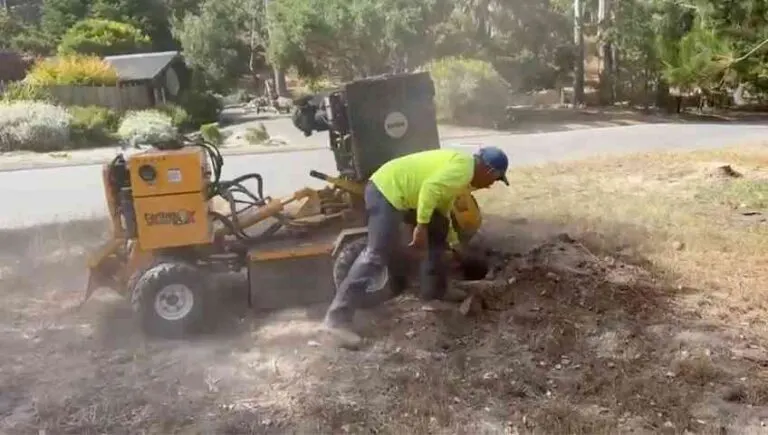
The work, photographed: removals between cottages, crowns lifted off roofs, stumps ground out of lawns, and the cleanup that follows.
Quick answer: Our Work, Photographed — Trees on this coast live with fog, salt, wind and thin soil, and the work that keeps them healthy is decided by those conditions rather than by a calendar written inland. Structure, clearance and the root zone are what a tree here needs looked at, and small work done early is what keeps a tree out of the emergency list.
Field note. What we see on this coast is that the trees people worry about are usually not the ones in trouble: the pine with a clean crown and a lean that predates the house is often sounder than the tidy tree that has been quietly drowning in its own root zone.
On the other hand, there is no schedule that suits every tree — the same species on two sides of one street can need opposite care, which is why we look before we recommend.
Every photo in this gallery was taken on an actual job site here in Cambria or somewhere in San Luis Obispo County. Nothing is staged, nothing is stock, and no image shows work we didn't do ourselves. You'll see Monterey pines thinned back to health, hazardous trees brought down safely between rooftops, stumps ground below grade, and the clean finish our crew leaves behind.
We built this page because homeowners told us the same thing: before hiring anyone, they wanted proof. Here it is — the same licensed, insured, ISA-standard workmanship we bring to every property, shown before and after.
Our trimming gallery is the most requested set of photos we have, and for good reason — pruning is where the difference between a careful crew and a quick cutter shows most clearly.
before shots show dense, wind-catching crowns; after shots show balanced canopies that let coastal breezes pass through.
hazardous limbs over driveways, decks and roofs, cut away cleanly at the collar.
low branches lifted to clear walkways, driveways and sight lines without weakening the tree.
selective pruning that opens windows to the ocean and lets morning light back into Cambria gardens.
A tree in Cambria is not a tree anywhere else. Our pines and oaks grow in sandy coastal soil, take the full force of ocean wind, and live with salt air, fog and long dry summers. Fifteen-plus years of working these same streets has taught us how local trees respond to pruning, where wind load builds up in a canopy, and which cuts keep a tree strong instead of stressed.
When you browse these photos, you're looking at that local knowledge in action — work designed for coastal California properties, by crews who live here too.
Removal is the part of our work where precision matters most, and our gallery shows why. You'll see leaning pines rigged and lowered section by section between homes, storm-damaged oaks taken down after coastal weather, and tight-access removals in Cambria's older neighborhoods where there is no room for error.
Each set of photos tells the same story: a tree that threatened a home, a fence or a family's safety, and a crew that brought it down in controlled pieces with the property untouched. If a tree near your home worries you, these images show what a careful removal actually looks like.
A removal isn't finished until the stump is gone and the site is clean. These photos show the step many companies skip.
stumps cut down well beneath the soil surface so the area can be replanted or turfed.
surface roots ground out along lawns, beds and fence lines.
every load hauled away, or left behind as mulch if you want it.
the final shot in every set: level ground, no trace of the tree that stood there.
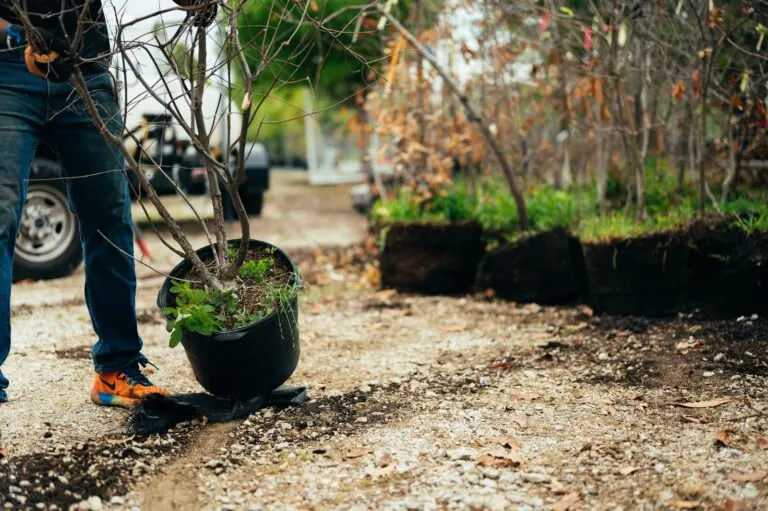
We're often asked what happens to the wood and brush from a job. Much of it becomes mulch, and our gallery includes photos of it spread back onto Cambria gardens. A proper layer of mulch holds moisture through the dry season, moderates soil temperature, suppresses weeds and feeds the soil as it breaks down — a real advantage in our coastal climate. These images show beds around native plantings, pine groves and home landscapes freshly mulched by our crew.
It's the most sustainable end for a tree we take down, and one of the simplest ways to keep the trees you still have healthier year-round.
Ask around Cambria and the thing people mention most about our crews is how the property looks when we leave. Our gallery makes a point of including the after-cleanup shot for every job, not just the dramatic tree work. You'll see lawns raked, driveways blown clear, planting beds restored and firewood stacked where the homeowner asked for it. We treat your property like our own, and we'd rather show you the evidence than promise it.
When you compare our finished photos side by side with the before shots, the tree work stands out — and so does the yard around it.
If any photo here looks like a situation on your own land — an overgrown canopy, a leaning tree, an old stump — that's exactly the work we do every week. Browse the gallery, then call us for a free, transparent estimate. We'll walk your property, explain what we recommend and why, and give you a clear price before any work begins. Call (805) 927-4414 to schedule a visit, or reach us through our contact page.
Cambria Pines Tree Service: licensed, insured, and proud to put our work on display.
Each job in these photos has its own page: tree trimming and pruning, tree removal, stump grinding and mulching in Cambria. Our video library shows the same work in motion, and everything else we run on the coast is on the Cambria tree service page.
Every photo is our own crew working Cambria and the Central Coast. See the full range of work on our Cambria tree service page, or call (805) 927-4414.




Questions, quotes, or just exploring — we’re here to help.